How to Keep Insulation Dry
One of the most important factors in energy efficiency is home insulation. And one of the most important parts of insulation is keeping the material dry. There are two reasons for this:
One of the most important factors in energy efficiency is home insulation. And one of the most important parts of insulation is keeping the material dry. There are two reasons for this:
Most, if not all, proponents of solar energy will exhort the long-term value of installing passive (and active) solar systems. The return on investment over the life of the installation is always impressive on paper and professional installers will happily spend hours explaining how the cost works out as a tiny percentage of your income. Then they'll just as happily bill you five figures!
Windows have undergone a huge number of advances over the last few decades. While most construction methods and materials have remained the same, windows have changed from heat-sucking drafty holes to efficient light-capturing devices which help improve energy efficiency.
 The foundat
All parts of a window are important when you consider energy efficiency, but the glazing comes first. About 75% of a window's surface area is glazed, with the sash and frame making up the other 25%, so it is important to make the right choices for the glazing.
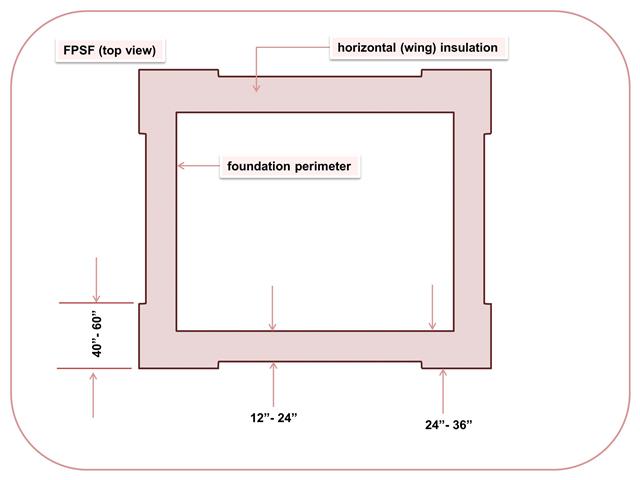
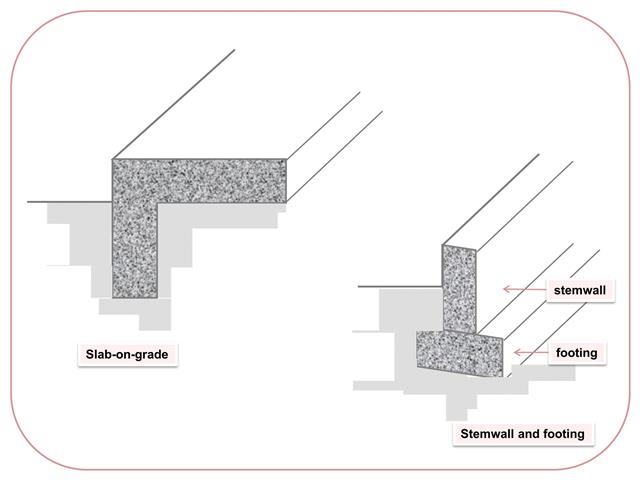
The foundations are an important part of your home, for the obvious reason that they support everything else. But they are also a major source of energy loss unless they are properly insulated, since they are in constant contact with the cold, often damp surrounding earth.
The situation is made worse by the fact that concrete is an excellent heat conductor. Although this is a benefit in a concrete radiant floor slab, for example, it's a real concern in a home's foundations.
The glazing isn't the only part of a window that transfers heat: the sash and frame make up about 25% of an average window's surface area, so choosing energy-efficient materials and designs is important.
Traditionally, wooden sashes and frames are the most common, and this still holds true today. In fact, wooden windows are the number-one selling item in construction in the US.
The foundations are an important part of your home, for the obvious reason that they support everything else. But they are also a major source of energy loss unless they are properly insulated, since they are in constant contact with the cold, often damp surrounding earth.
The situation is made worse by the fact that concrete is an excellent heat conductor. Although this is a benefit in a concrete radiant floor slab, for example, it's a real concern in a home's foundations.
When you go shopping for windows, it's easy to get confused by all the ratings and figures. Until recently, window manufacturers could rate their products almost any way they wished, which made comparisons a nightmare. Thankfully, they realized this and, in 1989, formed the non-profit National Fenestration Rating Council (NFRC) to standardize testing and rating for windows, doors and skylights.