Using Thermal Mass in Passive Solar
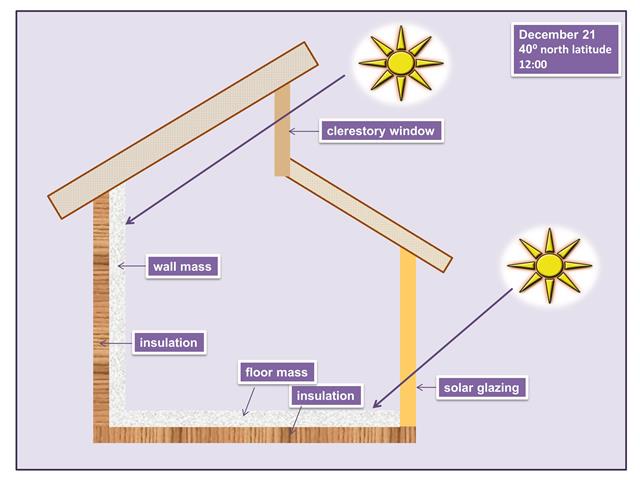
Thermal mass is everything inside a home that absorbs, retains and later emits heat, effectively providing free heating. Like most things in home construction, there are many different approaches to its use.
At first glance, you might think that it's impossible to have too much or too little thermal mass. After all, if there's loads of it, your home will store more heat; if there's very little, you'll still get the benefits of what you do have.
But it's not as simple as that.
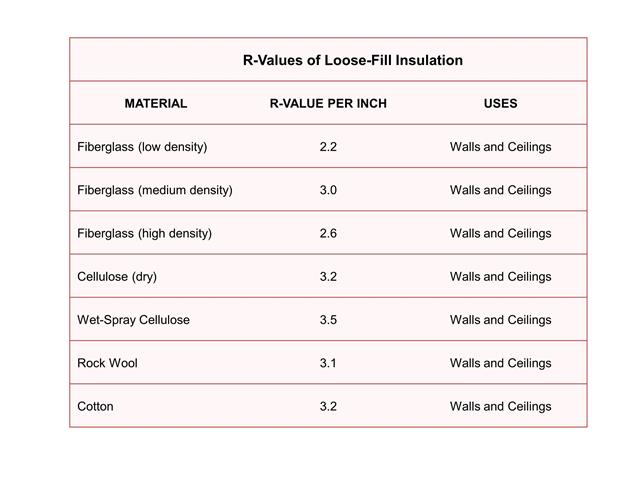
The mainstays of modern home insulation are fiberglass, rigid foam and cellulose. But there are natural alternatives to these which are worth considering, especially if you're going for super-green construction!
In an ideal passive solar world, homes would be built as a long string of single rooms, so that every room would be heated by the sun and there would be no need to transport warmth from warmer to cooler rooms. In practical terms, long houses are rarely appropriate: traffic flow inside such buildings is often difficult and housing lots in towns and cities tend to be square or rectangular, rather than extended oblongs.
One of the most important factors in energy efficiency is home insulation. And one of the most important parts of insulation is keeping the material dry. There are two reasons for this:
One unusual feature of many passive solar homes is that they are partially buried. Given the natural human dislike of living underground, this often strikes people as a "caveman" approach to efficient living but, in reality, it is an efficient means of conserving potentially enormous amounts of energy. And no, living in a home that uses earth berming or earth sheltering is not like living in a cave!
Windows have undergone a huge number of advances over the last few decades. While most construction methods and materials have remained the same, windows have changed from heat-sucking drafty holes to efficient light-capturing devices which help improve energy efficiency.
Most, if not all, proponents of solar energy will exhort the long-term value of installing passive (and active) solar systems. The return on investment over the life of the installation is always impressive on paper and professional installers will happily spend hours explaining how the cost works out as a tiny percentage of your income. Then they'll just as happily bill you five figures!
All parts of a window are important when you consider energy efficiency, but the glazing comes first. About 75% of a window's surface area is glazed, with the sash and frame making up the other 25%, so it is important to make the right choices for the glazing.