Alternative Water Systems
There are two main ways you can improve your home's ecological impact when it comes to water: installing alternative systems for domestic and outside water use, and implementing an alternative wastewater system.
There are two main ways you can improve your home's ecological impact when it comes to water: installing alternative systems for domestic and outside water use, and implementing an alternative wastewater system.
In an ideal passive solar world, homes would be built as a long string of single rooms, so that every room would be heated by the sun and there would be no need to transport warmth from warmer to cooler rooms. In practical terms, long houses are rarely appropriate: traffic flow inside such buildings is often difficult and housing lots in towns and cities tend to be square or rectangular, rather than extended oblongs.
Most, if not all, proponents of solar energy will exhort the long-term value of installing passive (and active) solar systems. The return on investment over the life of the installation is always impressive on paper and professional installers will happily spend hours explaining how the cost works out as a tiny percentage of your income. Then they'll just as happily bill you five figures!
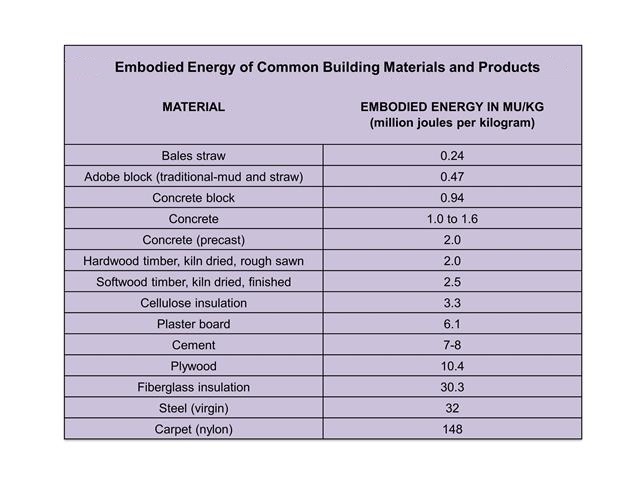
The mainstays of modern home insulation are fiberglass, rigid foam and cellulose. But there are natural alternatives to these which are worth considering, especially if you're going for super-green construction!
Physics is the science that defines how the physical world is structured and how each part of it interacts with all the others. Unfortunately, it's an incredibly complicated science because of this. The world is a very complex machine, after all!
As far as solar designers are concerned, there are some very basic laws of physics that must be understood. If you are a newbie in the solar energy field, here's a brief primer for you.
As you research passive solar home design, you may run into the term "sun-tempered" for homes. A sun-tempered home is a sort of "halfway house" option, rather than the whole-hog option of true passive solar design. Let's look at how the two compare:
Most engineers call it "integrated design", but green systems installers like to use the word "holistic" because it rings of holistic therapy, holistic medicine and other natural alternatives that work just as well as their traditional counterparts. But what is it?
Holistic or integrated home design is the art and science of creating homes which take full advantage of the natural resources available – notably light and heat – while providing a comfortable, pleasant living environment. Like all things, it has its advantages and disadvantages.
"Thermal mass" is all the stuff inside your home which the sun can heat: it includes everything from the walls and floor to furnishings to special construction materials designed to absorb and retain warmth. When you talk to professional installers, it is unlikely they will include minor incidentals in their definition of the term - they're mostly concerned with dedicated mass such as concrete slabs and Trombe walls.