Green Homes
You are here
Cooling People Inside a Passive Solar Home
There are two types of cooling for passive solar homes: stuff that cools the house and stuff that cools the people inside the house. Humans do not react to heat in the same way as building materials, after all! There are two main ways of cooling a home's inhabitants:
How to Vent Thermal Trombe Walls
Thermal walls, or Trombe walls, are the single most flexible passive solar option: they work in any climate and on any home, providing extra heat throughout the night after gathering heat during the day.
The Effects of Indoor Air Pollution
There are two main effects of indoor air pollution. The first is the effect on the home itself: everything gets dirty, especially if the pollution is particulate matter (e.g. soot), and structural problems can arise from things like mold and mildew. The second is the effect on your health if you live in the home. Let's look at what can happen.
How to Use Thermal Trombe Walls Properly
As with all passive solar design options, Trombe walls are a great addition to your home design: they retain a lot of heat, helping to reduce your nighttime heating costs throughout the cool period of the year. However, again like all other options, they need to be used correctly or they won't do you any good.
How to Insulate an Existing Home's Foundations
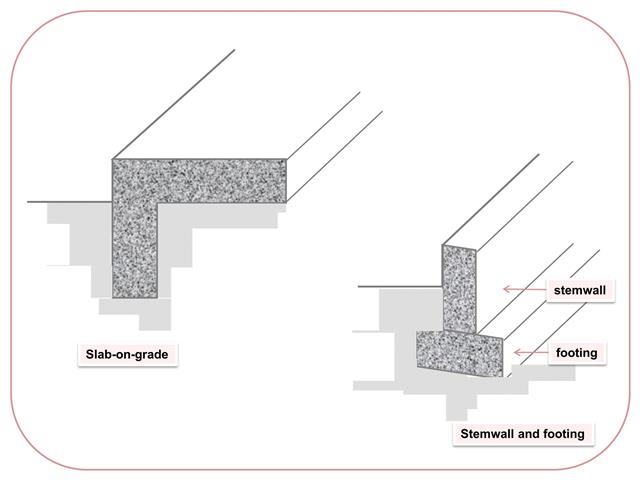
The foundations are an important part of your home, for the obvious reason that they support everything else. But they are also a major source of energy loss unless they are properly insulated, since they are in constant contact with the cold, often damp surrounding earth.
The situation is made worse by the fact that concrete is an excellent heat conductor. Although this is a benefit in a concrete radiant floor slab, for example, it's a real concern in a home's foundations.
Tips for Buying Energy-Efficient Windows
When you go shopping for windows, it's easy to get confused by all the ratings and figures. Until recently, window manufacturers could rate their products almost any way they wished, which made comparisons a nightmare. Thankfully, they realized this and, in 1989, formed the non-profit National Fenestration Rating Council (NFRC) to standardize testing and rating for windows, doors and skylights.
Quick Tips for Choosing Windows
Window technology has advanced a great deal in recent years, compared to traditional standards. Low-e coatings, double- and triple-glazing and noble gases in air space all help improve energy efficiency.